  • Home
  • About
  • Who we are
  • News
  • Events
  • Publications
  • Search
  • Independent Science for Development CouncilISDC
    • Home
    • Who we are
    • News
    • Events
    • Publications
    • Featured Projects
      • Inclusive Innovation
        • Agricultural Systems Special Issue
      • Proposal Reviews
        • 2025-30 Portfolio
        • Reform Advice
      • Foresight & Trade-Offs
        • Megatrends
      • QoR4D
      • Comparative Advantage
  • Standing Panel on Impact AssessmentSPIA
    • Who We Are
      • SPIA Team
      • Our Mandate
      • Impact Assessment Focal Points
      • SPIA Affiliates Network
    • What We Do
      • Country Studies
        • Community of Practice
      • Causal Impact Assessment
      • Use of Evidence
    • Where We Work
      • Bangladesh Study
      • Ethiopia Study
      • Uganda Study
      • Vietnam Study
    • Resources
      • Publications
      • News & Blogs
        • Blog Series on Qualitative Methods for Impact Assessment
      • Data Resources
        • Stocktake Data
        • Replication Files
        • SPIA-emLab Agricultural Interventions Database
      • Webinars
      • Events
  • Evaluation
    • Who we are
    • News
    • Events
    • Publications
    • Evaluations
      • CGIAR Center External Reviews (CER)
      • Learning on CGIAR's Ways of Working
      • Science Group Evaluations
      • Platform Evaluations
        • CGIAR Genebank Platform Evaluation
        • CGIAR GENDER Platform Evaluation
        • CGIAR Excellence in Breeding Platform
        • CGIAR Platform for Big Data in Agriculture
    • Framework and Policy
      • Evaluative Learning Hub
      • Evaluation Method Notes Resource Hub
      • Management Engagement and Response Resource Hub
      • Evaluating Quality of Science for Sustainable Development
      • Evaluability Assessments – Enhancing Pathway to Impact
      • Evaluation Guidelines
  • Independent Science for Development CouncilISDC
  • Standing Panel on Impact AssessmentSPIA
  • Evaluation
Back to IAES Main Menu
  • Who We Are
    • SPIA Team
    • Our Mandate
    • Impact Assessment Focal Points
    • SPIA Affiliates Network
  • What We Do
    • Country Studies
      • Community of Practice
    • Causal Impact Assessment
    • Use of Evidence
  • Where We Work
    • Bangladesh Study
    • Ethiopia Study
    • Uganda Study
    • Vietnam Study
  • Resources
    • Publications
    • News & Blogs
      • Blog Series on Qualitative Methods for Impact Assessment
    • Data Resources
      • Stocktake Data
      • Replication Files
      • SPIA-emLab Agricultural Interventions Database
    • Webinars
    • Events
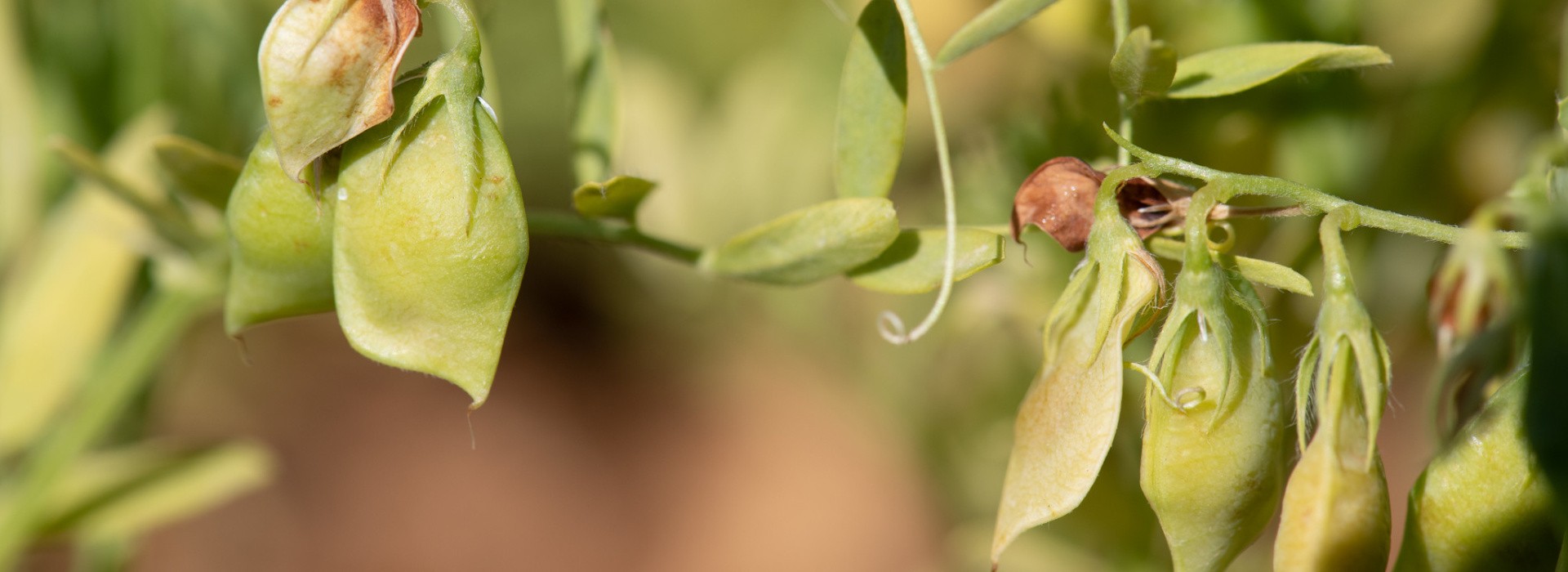
Photo by: Michael Major/Crop Trust
News

Study of Long-Term and Large-Scale Impacts of Improved Lentil Varieties Approved for SPIA Funding

You are here

  • Home
  • Standing Panel on Impact AssessmentSPIA
  • News & Blogs
  • Study of Long-Term and Large-Scale Impacts of Improved Lentil Varieties Approved for SPIA Funding

SPIA has approved funding for a study of long-term and large-scale impacts of improved lentil varieties in Bangladesh. The expression of interest for this study was submitted by ICARDA to the second SPIA call for proposals on long-term and large-scale impacts of CGIAR research on development outcomes. After discussions with the ICARDA team, SPIA decided to fund a pilot study to document the dissemination of lentil varieties at the upazila level. The objective was to register temporal and spatial variation in the dissemination data, that could be used to design a rigorous impact assessment study.

The pilot study was successful in documenting spatial and temporal variation, and after completing the pilot phase SPIA facilitated the matchmaking between the ICARDA team and a team from Tufts University, University of Kiel and Paris School of Economics to develop a full proposal. After internal and external review the proposal has now been approved and the work on the full impact assessment study has started. The study will estimate impacts on economic well-being, health, and nutrition, as well as environmental outcomes such as soil quality and groundwater depletion. Results are expected in December 2023.

Read more about ongoing studies receiving SPIA support here.
Share on

Impact SPIA
May 27, 2022

Related News

Posted on
25 Sep 2026
by
  • Milcah Kirinyet
  • Elyse Franko-Filipasic

Same data, same code, same results? Insights on computational reproducibility

Posted on
23 Jul 2026
by
  • Swetha Ramachandran

Nutrients in Search of a Household: Biofortification's Next Chapter Within CGIAR

Posted on
02 Jul 2026
by
  • Elyse Franko-Filipasic

SPIA Small Grants: Measuring CGIAR's Policy Influence — Call for Proposals Now Open

More News

Related Publications

Special Issues
Impact SPIA
Issued on 2026

Call for Proposals — SPIA Small Grants: Measuring CGIAR's Policy Influence

UofE Strategy
Guidelines
Impact SPIA
Issued on 2026

The SPIA Approach to Use of Evidence

Assessments & Commentaries
Impact SPIA
Issued on 2026

SPIA Feedback: Portfolio Impact Assessment Plan Draft Concept Note

More publications

CGIAR Independent Advisory and Evaluation Service (IAES)

Alliance of Bioversity International and CIAT
Via di San Domenico,1
00153 Rome, Italy
  • IAES@cgiar.org
  • (39-06) 61181

Follow Us

  • LinkedIn
  • Twitter
  • YouTube
JOIN OUR MAILING LIST
  • Terms and conditions
  • © CGIAR 2026

IAES provides operational support as the secretariat for the Independent Science for Development Council and the Standing Panel on Impact Assessment, and implements CGIAR’s multi-year, independent evaluation plan as approved by the CGIAR’s System Council.