The three IAES Functions
CGIAR’s Independent Advisory and Evaluation Service (IAES) provides operational support as the secretariat for the Independent Science for Development Council (ISDC) and the Standing Panel on Impact Assessment (SPIA), and implements CGIAR’s multi-year, independent evaluation plan as approved by the System Council. The IAES and the two independent bodies it supports, facilitate and provide external, impartial, and expert advice related to strategy and positioning, program evaluation, and impact assessment.
Find out more:
Independent Science for Development Council
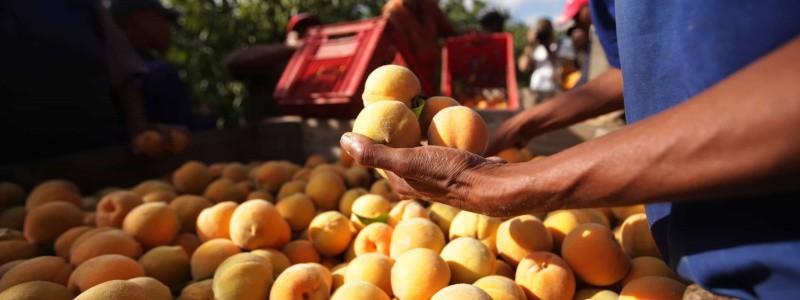
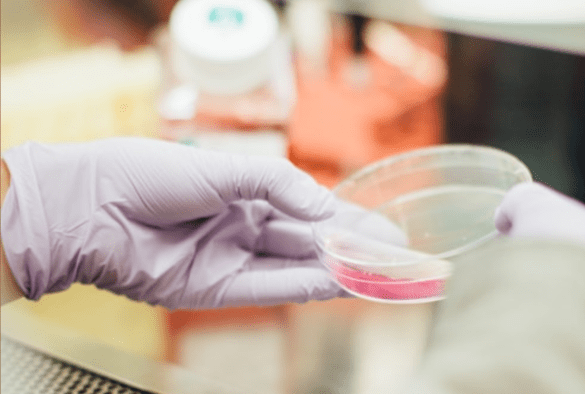
The Independent Science for Development Council (ISDC) is an external, impartial standing panel of experts in science and development subject matters (including food systems innovation matters that extend beyond the agricultural sector) appointed by the System Council and accountable to it, with the responsibility of providing rigorous, independent strategic advice to the System Council, and based on decisions taken by the System Council, the broader CGIAR System as a whole.
Standing Panel on Impact Assessment
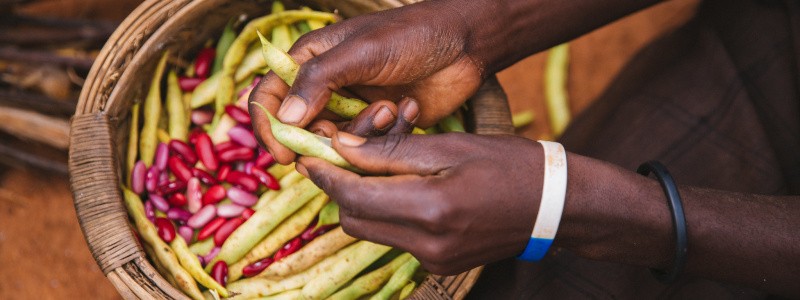
The Standing Panel on Impact Assessment (SPIA) is an external, impartial panel of experts in impact assessment appointed by the System Council and accountable to it. SPIA is responsible for providing rigorous evidence of the reach and causal impacts of CGIAR research and for providing independent strategic advice to the CGIAR System on efficient and effective impact assessment methods and practices, including those measuring impacts beyond contributions to science and economic performance, and on innovative ways to improve knowledge and capacity on how research contributes to development outcomes.

Evaluation Function
The IAES's Evaluation Function delivers and supports process and performance evaluations which provide accountability, support to decision making, and lessons for improving quality and effectiveness of agricultural research for development outcomes. The CGIAR Evaluation Framework and Policy guide the work of the function. The 15 core standards and principles for the practice of evaluation in CGIAR as outlined in the Evaluation framework dictate the guiding principles of the IAES's Evaluation function. These principles establish the parameters for independent, robust, utilization-focused evaluations that support accountability and learning, and guide decision-making

A message from the Director
2025 was a year of remarkable progress for the Independent Advisory and Evaluation Service (IAES). We achieved major technical milestones while fostering institutional renewal and deeper system-wide synergy. A standout achievement was secretariat’s support to ISDC independent review of the 2025–2030 CGIAR Portfolio Inception Reports. Simultaneously, SPIA launched landmark reach studies in Bangladesh and Uganda and pioneered Return on Investment (ROI) analyses. Our Evaluation Function further strengthened the system by completing the review of the evaluation Management Response System and synthesizing evidence on CGIAR’s strategic 'Ways of Working'. Beyond technical delivery, we successfully navigated a leadership transition, welcoming Professor Lesley Torrance as ISDC Chair, and significantly expanded our digital engagement with stakeholders. These successes reflect our unwavering commitment to providing rigorous advice and evaluative evidence for CGIAR. In 2026, IAES remains dedicated to driving transparency and excellence across CGIAR to help achieve a food-secure future. We are excited about moving forward evaluative work related to CGIAR centers and focal countries, supporting SPIA’s country reach and impact studies program, and ISDC’s plan to assess advisory uptake and translate technical materials for ease of use. Our energies will likewise be invested toward advancing the recommendations from the SIMEC review of Advisory Bodies in 2025, and integrating these in our current and future plans.
Allison Grove Smith
Director, CGIAR Independent Advisory and Evaluation Service (IAES)

A message from the SPIA Chair
SPIA is thrilled to launch our expanded country studies in 2025 and to collaborate with outstanding external research teams that have been selected to lead this work. We also look forward to new causal impact studies and to continued engagement with CGIAR stakeholders around key insights from the SPIA 2019-2024 portfolio. These efforts in the new SPIA workplan continue SPIA’s commitment to evidence-based learning and decision-making across the system.
Travis Lybbert
Chair, CGIAR Standing Panel on Impact Assessment (SPIA)
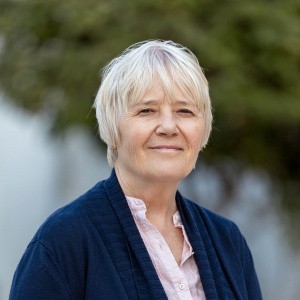
A message from the ISDC Chair
As the new ISDC Chair, I am looking forward to providing leadership to ISDC, building a collaborative team ethos to deliver expert advice to the System Council. Key milestones include providing actionable recommendations to support CGIAR leadership in evaluating and prioritizing the portfolio, offering independent advice and deep dives on topics of interest to CGIAR governance bodies and leadership teams, and contributing to CGIAR Centre reviews.
Lesley Torrance
Chair, Independent Science for Development Council (ISDC)
Events and workplan
Featured News

Evaluating Scaling Efforts: New Blog on BetterEvaluation Webpage
Scaling is one of the most used and least precisely defined concepts in international development.

Nutrients in Search of a Household: Biofortification's Next Chapter Within CGIAR
SPIA's evidence base on biofortified crops shows that some innovations have enormous potential...
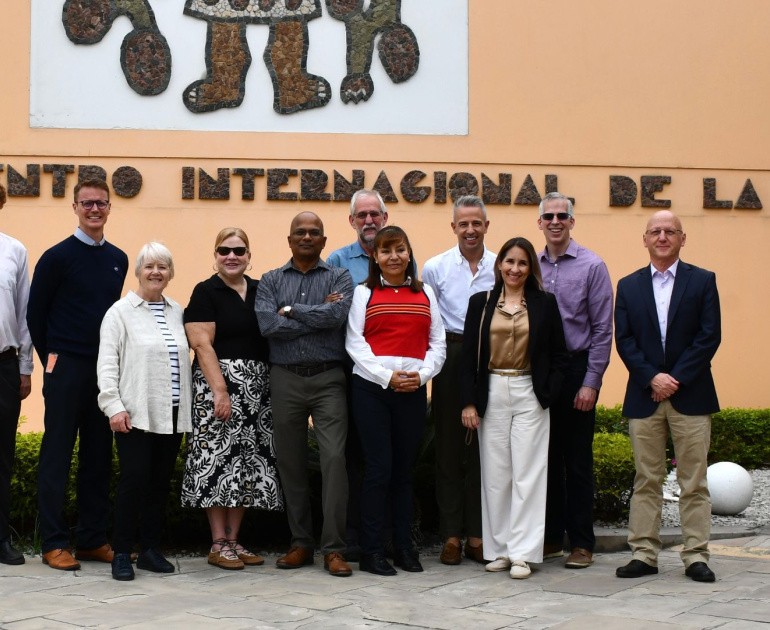

IAES hosted the CGIAR Joint Assurance Workshop to Strengthen Combined Assurance Across the Integrated Partnership
How can evaluation, science quality, audit, risk, and ethics work better together to strengthen...

What's Really Growing in Viet Nam's Rice Fields?
The first nationwide genetic survey of rice seeds in Viet Nam reveals important information about...

Featured Resources


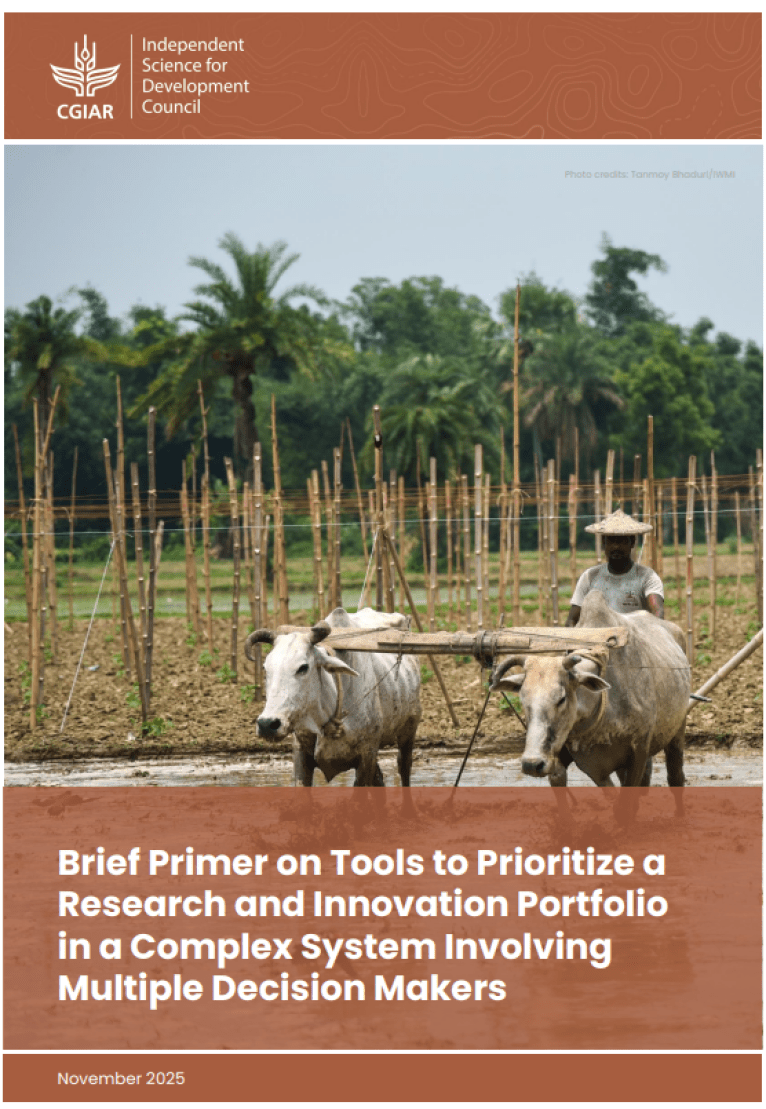
Newsletter
Stay informed with IAES! Subscribe to our quarterly newsletter for updates, insights, and evidence-based advancements shaping sustainable development worldwide. Join our global network today!

Annual Snapshot
Annual Snapshots summarize the year's accomplishments, offering detailed insights into focus areas, key achievements, and their broader implications. These include analyses of pivotal topics, updates on innovative projects, and summaries of advisory activities. By showcasing progress toward IAES's goals, the snapshots provide stakeholders—including researchers, policymakers, and industry leaders—with valuable information to guide decisions in environmental science, policy, and community actions. They serve as essential tools for understanding IAES's contributions to global development and advancing strategic collaboration.