  • Home
  • About
  • Who we are
  • News
  • Events
  • Publications
  • Search
  • Independent Science for Development CouncilISDC
    • Home
    • Who we are
    • News
    • Events
    • Publications
    • Featured Projects
      • Inclusive Innovation
        • Agricultural Systems Special Issue
      • Proposal Reviews
        • 2025-30 Portfolio
        • Reform Advice
      • Foresight & Trade-Offs
        • Megatrends
      • QoR4D
      • Comparative Advantage
  • Standing Panel on Impact AssessmentSPIA
    • Who We Are
      • SPIA Team
      • Our Mandate
      • Impact Assessment Focal Points
      • SPIA Affiliates Network
    • What We Do
      • Country Studies
        • Community of Practice
      • Causal Impact Assessment
      • Use of Evidence
    • Where We Work
      • Bangladesh Study
      • Ethiopia Study
      • Uganda Study
      • Vietnam Study
    • Resources
      • Publications
      • Events
      • SPIA-emLab Agricultural Interventions Database
      • News & Blogs
        • Blog Series on Qualitative Methods for Impact Assessment
      • Webinars
  • Evaluation
    • Who we are
    • News
    • Events
    • Publications
    • Evaluations
      • Science Group Evaluations
      • Learning on CGIAR's Ways of Working
      • Platform Evaluations
        • CGIAR Genebank Platform Evaluation
        • CGIAR GENDER Platform Evaluation
        • CGIAR Excellence in Breeding Platform
        • CGIAR Platform for Big Data in Agriculture
    • Framework and Policy
      • Evaluative Learning Hub
      • Evaluation Method Notes Resource Hub
      • Management Engagement and Response Resource Hub
      • Evaluating Quality of Science for Sustainable Development
      • Evaluability Assessments – Enhancing Pathway to Impact
      • Evaluation Guidelines
  • Independent Science for Development CouncilISDC
  • Standing Panel on Impact AssessmentSPIA
  • Evaluation
Back to IAES Main Menu
  • Who We Are
    • SPIA Team
    • Our Mandate
    • Impact Assessment Focal Points
    • SPIA Affiliates Network
  • What We Do
    • Country Studies
      • Community of Practice
    • Causal Impact Assessment
    • Use of Evidence
  • Where We Work
    • Bangladesh Study
    • Ethiopia Study
    • Uganda Study
    • Vietnam Study
  • Resources
    • Publications
    • Events
    • SPIA-emLab Agricultural Interventions Database
    • News & Blogs
      • Blog Series on Qualitative Methods for Impact Assessment
    • Webinars
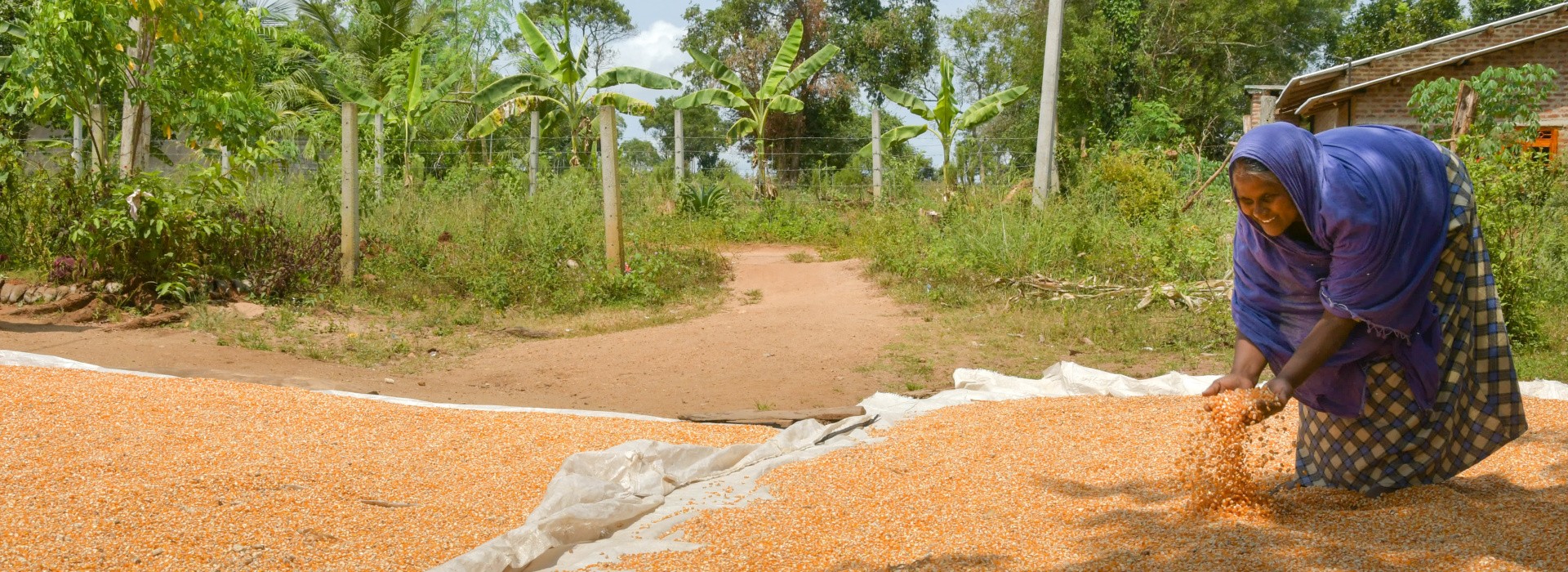
Photo credit: Samurdhi Ranasinghe / IWMI
News

Evidence of Impact and Reach from the SPIA 2019-2024 Workplan

You are here

  • Home
  • Standing Panel on Impact AssessmentSPIA
  • News & Blogs
  • Evidence of Impact and Reach from the SPIA 2019-2024 Workplan

While the approval of the SPIA 2019-2024 workplan by System Council 7 implied a strong recognition of the importance of measuring outcomes and impacts of CGIAR, the closure of this 6-year workplan in 2024 is bringing a variety of insights and relevant learning that aims to inform various decision-making processes among different CGIAR stakeholders. SPIA is in the process of disseminating the rigorous evidence generated through country-level studies measuring the reach of CGIAR-related innovations, and rigorous impact assessment studies generating causal estimates of CGIAR impact. Furthermore, SPIA aims to support CGIAR stakeholders in reflecting on the rigorous evidence coming out from its portfolio and encourage the use of this evidence for decision-making.

Although the current SPIA workplan has also delivered on supporting CGIAR’s strong commitment to embed a culture of impact assessment into the System, the evidence shared below comes out of the careful measurement of reach of SPIA innovations (component 3 of the 2019-2024 workplan) and rigorous causal impact studies (component 2 of the 2019-2024 workplan) that are the foundation of the SPIA approach to impact assessment for CGIAR.

With the closing of this workplan, SPIA has gathered key insights from the evidence in 5 briefing documents. These documents integrate learnings from SPIA impact and reach evidence with external impact evidence and are available below for download:

  • Climate Change Adaptation and Mitigation 
  • Environmental Externalities of Agricultural Intensification
  • Targeting of Agricultural Technologies 
  • CGIAR Research on Mechanization 
  • SPIA Country-Level Studies

Note that evidence from SPIA country studies is still preliminary and subject to change. Final numbers from these studies will be made available in full-length country study reports to be published in December 2024.

On 10 December 2024, SPIA is organizing a side event to the 21st CGIAR System Council. This event will offer deep-dives into some of the evidence presented in the briefing notes and open up for discussion with System Council members.

Share on

Impact SPIA
Nov 29, 2024

Written by

  • Ricardo Labarta

    Principal Scientist, SPIA Casual Impact Assessment
  • Mina Karasalo

    Senior Officer

Related News

Posted on
23 Jul 2026
by
  • Swetha Ramachandran

Nutrients in Search of a Household: Biofortification's Next Chapter Within CGIAR

Posted on
02 Jul 2026
by
  • Elyse Franko-Filipasic

SPIA Small Grants: Measuring CGIAR's Policy Influence — Call for Proposals Now Open

Posted on
01 Jul 2026
by
  • Frederic Kosmowski
  • Elyse Franko-Filipasic

What's Really Growing in Viet Nam's Rice Fields?

More News

Related Publications

Special Issues
Impact SPIA
Issued on 2026

Call for Proposals — SPIA Small Grants: Measuring CGIAR's Policy Influence

UofE Strategy
Guidelines
Impact SPIA
Issued on 2026

The SPIA Approach to Use of Evidence

Assessments & Commentaries
Impact SPIA
Issued on 2026

SPIA Feedback: Portfolio Impact Assessment Plan Draft Concept Note

More publications

CGIAR Independent Advisory and Evaluation Service (IAES)

Alliance of Bioversity International and CIAT
Via di San Domenico,1
00153 Rome, Italy
  • IAES@cgiar.org
  • (39-06) 61181

Follow Us

  • LinkedIn
  • Twitter
  • YouTube
JOIN OUR MAILING LIST
  • Terms and conditions
  • © CGIAR 2026

IAES provides operational support as the secretariat for the Independent Science for Development Council and the Standing Panel on Impact Assessment, and implements CGIAR’s multi-year, independent evaluation plan as approved by the CGIAR’s System Council.