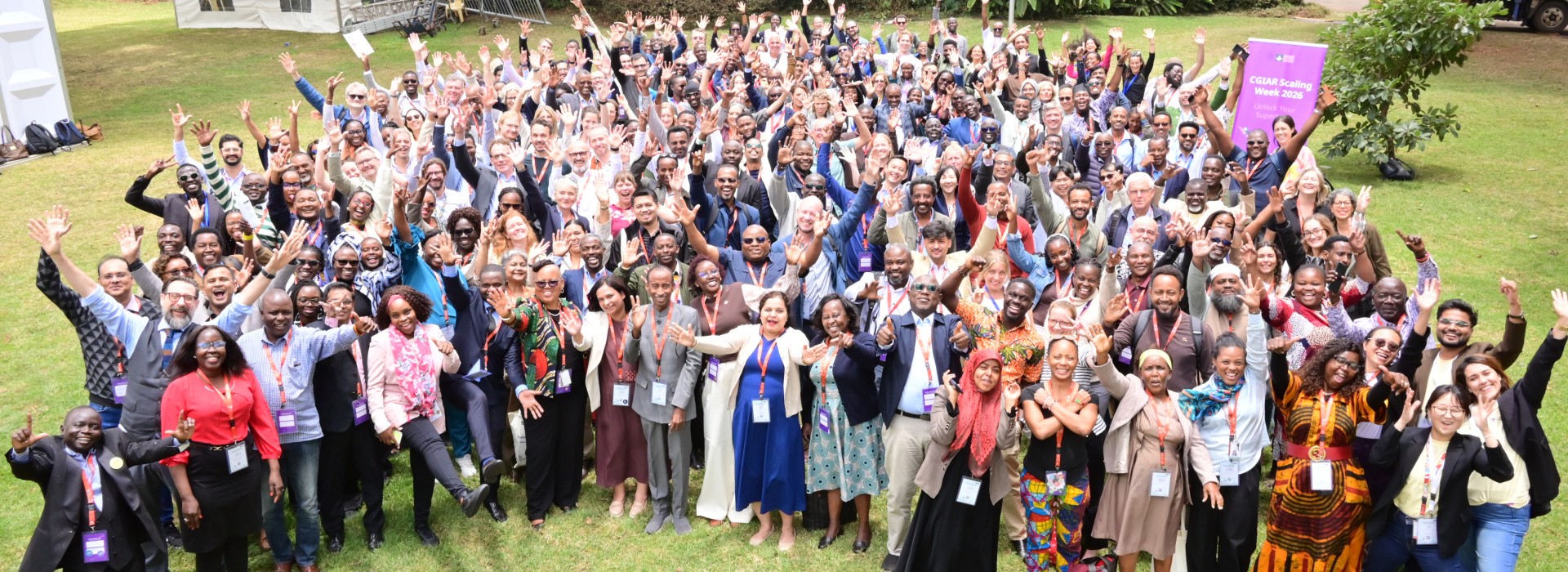
The CGIAR Independent Advisory and Evaluation Service (IAES) Evaluation Function recently brought evaluation evidence and practice together in Nairobi, Kenya, through two complementary stakeholder engagement activities: convening a recommendations refinement workshop for the ongoing Kenya Country Evaluation, and contributing to CGIAR Scaling Week 2026.
The visit provided an opportunity to engage a diverse range of CGIAR and external stakeholders around a common question: how can evaluation support learning, better decisions and greater impact?
Putting the Evaluation of Scaling into Practice
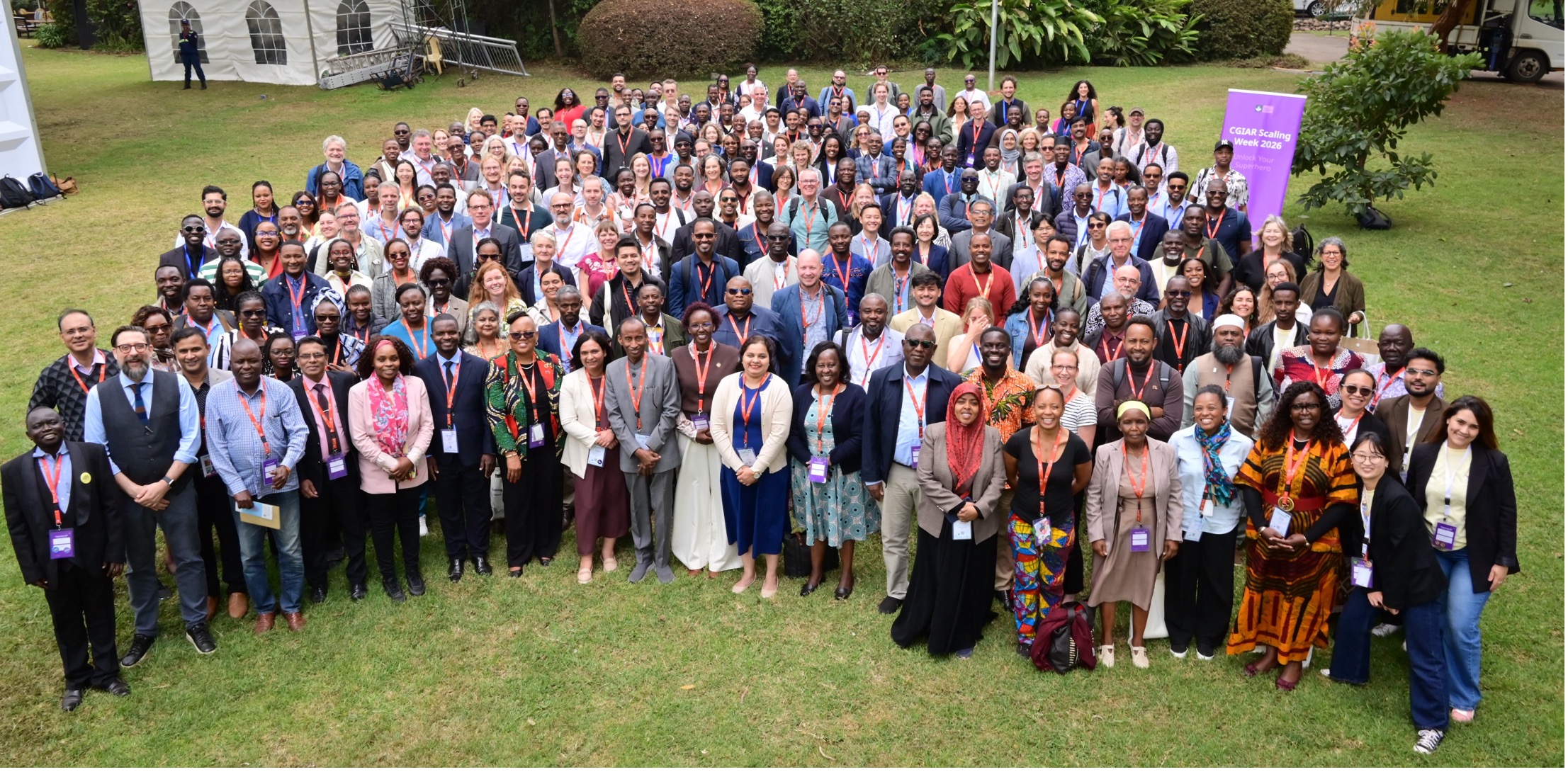
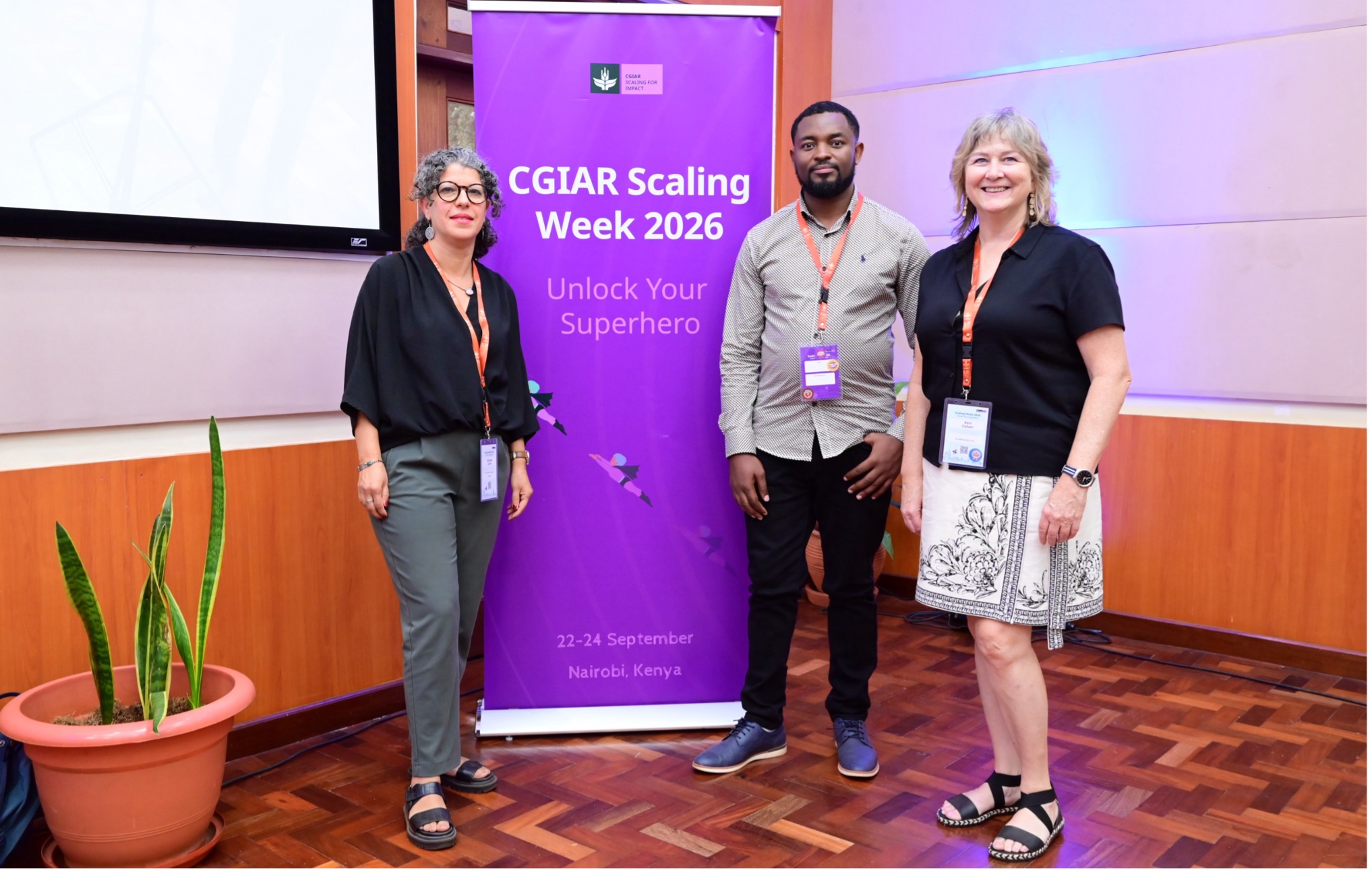
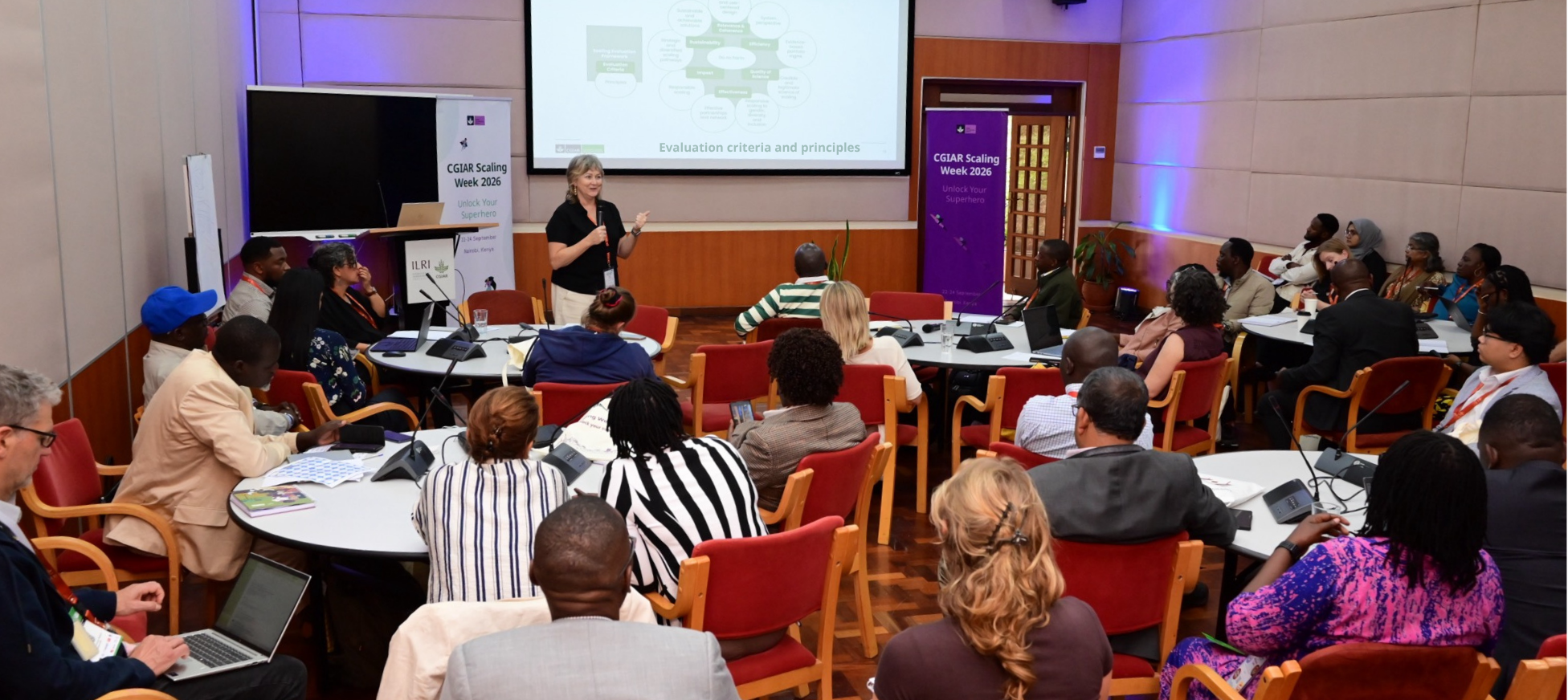
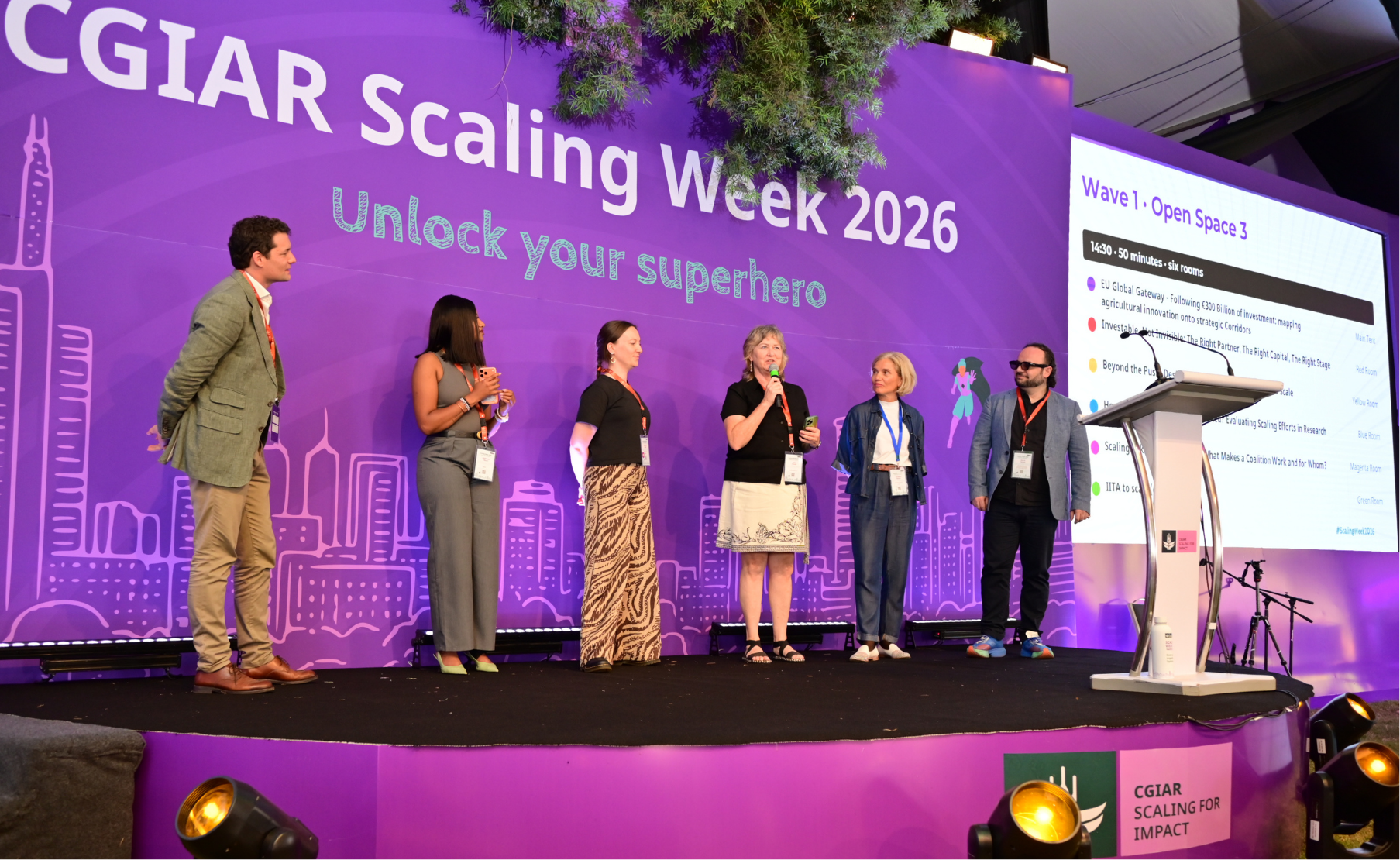
During CGIAR Scaling Week, which was held from 22–24 September at the International Livestock Research Institute (ILRI) campus in Nairobi, IAES led the session “How do you know if scaling worked? Evaluating scaling efforts in research for development.”
The session introduced the framework developed in the IAES Technical Note Evaluation of Scaling Efforts in CGIAR. The Technical Note provides guidance for assessing scaling efforts and proposes a structured framework for examining scaling through evaluation criteria and principles. Importantly, it was designed as a living document—to be tested and refined as experience with its application grows.
In Nairobi, IAES moved that conversation from framework to practice, using the Kenya Country Evaluation as a case study to explore how the approach can be applied in a real evaluation context. Participants engaged with priority evaluation questions and methodological challenges, providing perspectives that can contribute to the continued development and practical application of the framework.
The well-attended session generated strong interest and discussion, reflecting a growing demand for approaches that can assess not simply whether an innovation has reached more people, but how scaling happens, for whom, under what conditions, and with what results.
Refining Recommendations Together
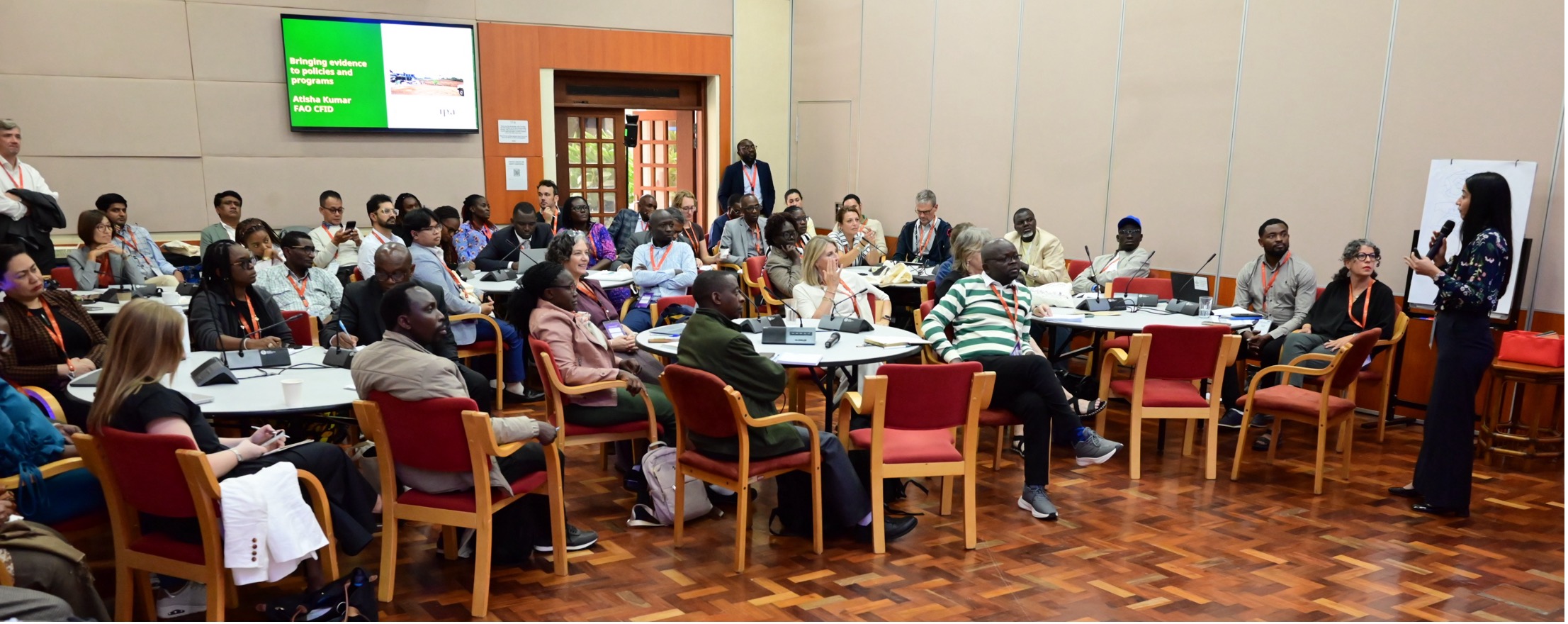
IAES also used its presence in Kenya at Scaling Week 2026 to advance another important participatory step in the Kenya Country Evaluation: a workshop to refine the evaluation’s emerging recommendations, organized as a side event to the main conference.
The workshop brought together a diverse group of stakeholders, including representatives from CGIAR centers, including IRRI and IFPRI; CGIAR management; a member of SIMEC; government; and external partners.
Rather than presenting recommendations as a finished product, the workshop created space for stakeholders to examine and discuss them collectively. Participants helped consider their relevance, clarity and feasibility and the actors and processes needed to take them forward.
This type of engagement is an important part of making evaluation useful. It allows different perspectives to inform the final recommendations while maintaining the evaluation’s independence. It also strengthens transparency around how recommendations are developed and helps build a shared understanding of the evidence and the changes being proposed.
The workshop reflected IAES’ broader approach to evaluation as a process that combines independent evidence with meaningful stakeholder engagement—creating opportunities to listen, test assumptions, learn together and strengthen the usability of evaluation findings.
Connecting Evidence, Engagement and Use
Together, the Scaling Week session and the Kenya recommendations workshop illustrate different but complementary dimensions of IAES stakeholder engagement: sharing and testing evaluation methods with a wider community, while working closely with those who will ultimately use evaluation evidence and recommendations.
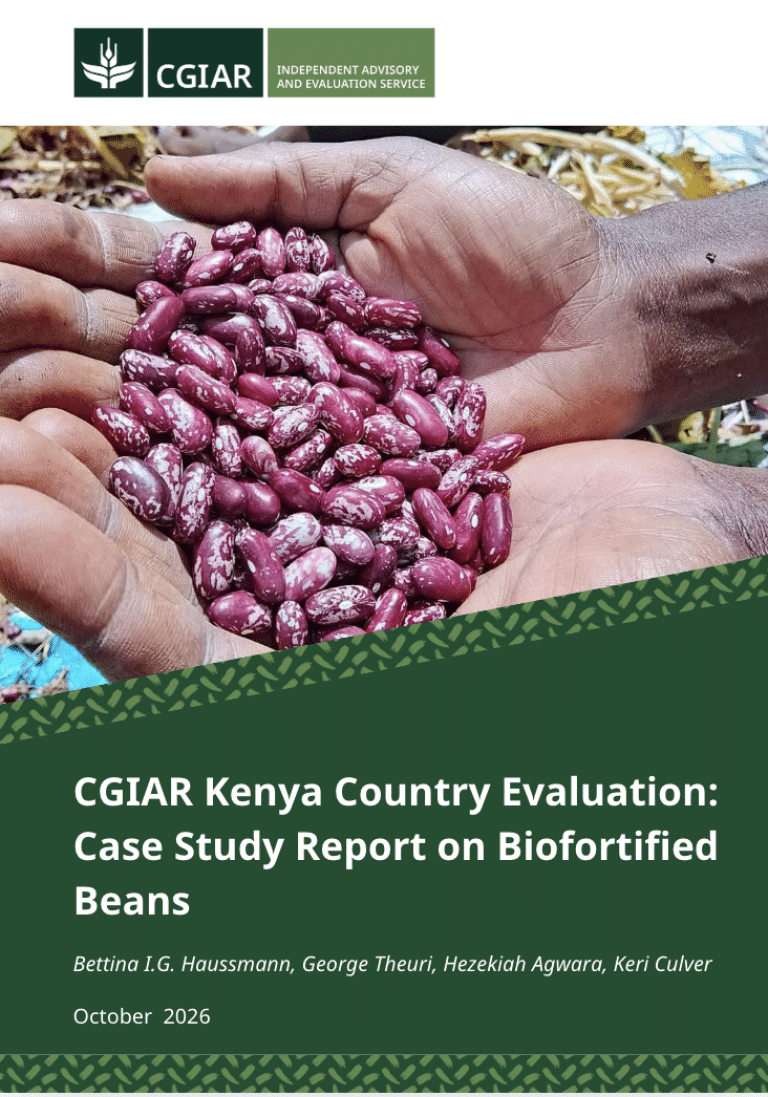
The conversations in Nairobi will also feed into the next phase of IAES work. Stay tuned: the Kenya Country Evaluation case study has just been published and bibliometric analysis will be published soon, providing further evidence and learning from the country evaluation pilot.